




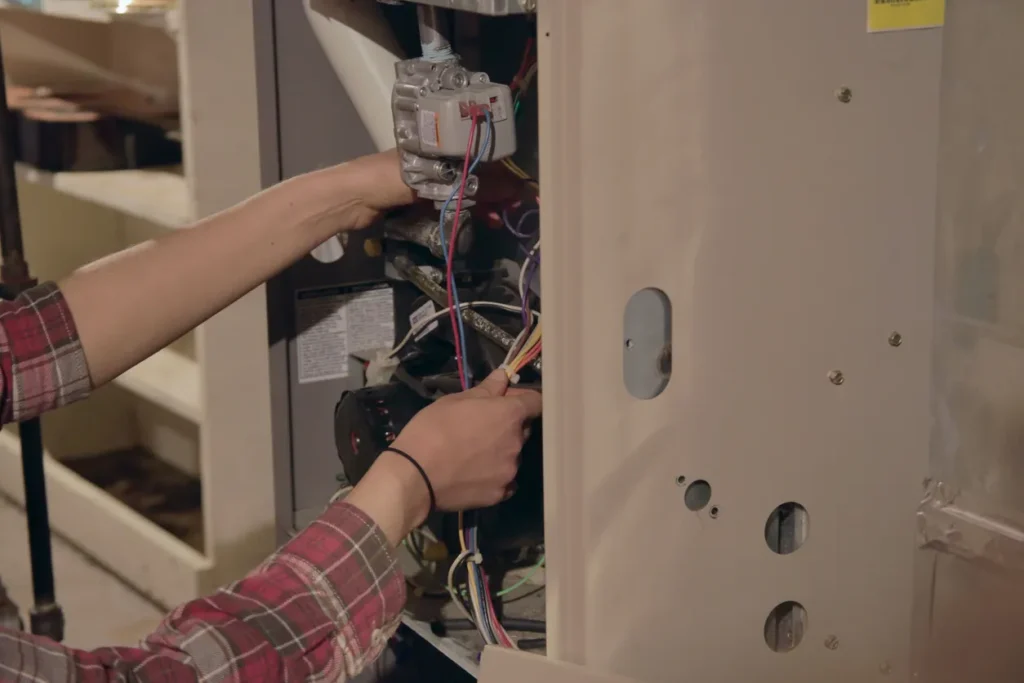
Furnace Troubleshooting Solutions for Elmont Homeowners: How to Diagnose and Fix Common Heating Problems
A reliable local guide for furnace troubleshooting helps Elmont homeowners diagnose common heating problems, perform safe checks, and decide when to call a professional. This article explains how to identify symptoms, why systems fail, and step-by-step DIY checks that prioritize safety while preserving system integrity. You will learn practical troubleshooting for no-heat situations, thermostat faults, airflow and ignition issues, and how preventative maintenance improves performance and longevity. The guide maps clear warning signs that require expert attention and outlines what to expect from professional diagnostics and repairs. Sections cover the most common problems, safe DIY steps with a prioritized checklist, indicators for calling a technician, benefits of regular maintenance, budgeting guidance for repairs, and local service considerations for Elmont homeowners. Throughout, targeted phrases like furnace troubleshooting guide Elmont and furnace repair Elmont NY are woven into actionable guidance so you can keep your home warm and make informed repair decisions.
What Are the Most Common Furnace Problems Elmont Homeowners Face?
Most Elmont homeowners encounter a short list of recurring furnace problems that cause loss of heat or reduced comfort: no heat, thermostat malfunctions, clogged filters and airflow restrictions, ignition or pilot issues, strange noises, and short cycling. Each problem has distinct mechanisms—an electrical failure prevents ignition, a clogged filter reduces airflow and heat transfer, and a failing thermostat can misreport temperature—so identifying the mechanism narrows repairs. Understanding these common faults helps homeowners perform targeted checks and reduces unnecessary service calls. Below is a concise list of the top problems and what symptom to look for when diagnosing your system.
Common furnace problems Elmont homeowners see most often:
- No Heat: Furnace runs but delivers cold air due to ignition, fuel supply, or blocked airflow.
- Thermostat Faults: Erratic cycling or incorrect temperature caused by calibration, power, or wiring issues.
- Restricted Airflow: Weak or uneven airflow from clogged filters or closed vents that lowers heat output.
- Ignition/Pilot Problems: Failure to light or maintain flame caused by igniter, gas valve, or sensor faults.
These common issues often have quick homeowner checks you can try before calling a technician.
Intro to quick-reference checks and immediate fixes:
| Problem | Likely Causes | Immediate Homeowner Checks/Fixes |
|---|---|---|
| No heat | Ignition failure, thermostat settings, tripped breaker | Confirm thermostat mode and setpoint; check circuit breaker and filter |
| Thermostat malfunctions | Dead batteries, bad wiring, calibration | Replace batteries, verify mode, reboot smart thermostats |
| Restricted airflow | Dirty filter, closed vents, obstructed returns | Inspect and replace filter, open supply/return vents |
| Ignition/pilot issues | Faulty igniter, gas valve, flame sensor | Look for error codes, listen for repeated ignition attempts |
This table links common faults (entity) to root causes (attribute) and safe first checks (value) for quick triage.
Green Energy Heating and Air Conditioning regularly diagnoses the specific problems listed above and offers targeted diagnostic services; their NATE-certified technicians apply comprehensive testing to pinpoint root causes. Local expertise combined with certified technicians helps Elmont homeowners move from initial DIY checks to a reliable professional diagnosis when needed.
How to Identify Furnace Not Heating Issues and Their Causes
A furnace that fails to produce warm air typically indicates an ignition, fuel, airflow, or control issue and diagnosing the exact cause restores heat efficiently. Start with thermostat settings and power: ensure the thermostat is set to heat and above room temperature, then confirm the furnace has power and no tripped breakers. Next inspect the air filter and vents—restricted airflow often allows the furnace to run without delivering heat, stressing the system. If the unit attempts to ignite but no flame appears, the likely causes are a faulty igniter, gas supply, or safety sensor; these scenarios are safety-sensitive and may require professional inspection. Recognizing whether the problem is electrical, airflow, or ignition narrows repair steps and prevents unnecessary part replacements.
What Are the Signs of Thermostat Malfunctions and How to Troubleshoot Them?
Thermostat issues manifest as temperature mismatch, blank or flickering display, or frequent on/off cycles that signal misreading or control failure and simple checks often restore normal function. Begin by replacing thermostat batteries, confirming the correct mode (heat), and ensuring the setpoint is higher than ambient temperature; smart thermostats may need a reboot or firmware update. Inspect visible wiring for loose connections if comfortable doing so, and verify the furnace responds when raising the setpoint manually. When thermostats repeatedly misreport or wiring appears compromised, professional calibration or replacement is recommended, particularly for complex programmable or smart systems. Proper thermostat function ensures accurate control, which directly impacts energy use and comfort.
How Can Elmont Homeowners Perform Safe DIY Furnace Troubleshooting?
Safe DIY troubleshooting focuses on low-risk tasks that restore performance or provide accurate information for technicians, such as changing filters, checking thermostats, and resetting breakers. The steps below prioritize safety: always turn power off at the furnace switch before accessing internal panels, ventilate if you smell gas, and never attempt gas-valve or heat-exchanger repairs. Use basic tools—a flashlight, replacement filter of correct size and MERV range, and insulated gloves—and avoid tasks requiring gas, combustion, or internal electrical work. Follow the numbered checklist to systematically isolate common causes and document findings for a professional if the issue persists.
Step-by-step safe DIY checklist for Elmont homeowners:
- Confirm Controls: Verify thermostat mode and setpoint; replace batteries if needed.
- Check Power: Inspect the furnace switch and household circuit breaker for tripped circuits.
- Replace Filter: Remove, inspect, and replace a dirty filter with the recommended MERV level.
- Inspect Vents: Ensure supply and return vents are open and unobstructed for proper airflow.
- Observe Ignition: Watch the ignition sequence without removing panels; note any error codes or abnormal sounds.
These steps are intentionally limited to non-invasive checks; if the system shows combustion irregularities, persistent electrical faults, or you detect a gas odor, stop DIY work and seek .
If DIY checks don’t resolve the problem or you encounter gas-safety signals, Green Energy Heating and Air Conditioning can provide professional follow-up diagnostics and repairs; scheduling an expert inspection ensures safe correction of issues beyond homeowner scope.
What Are the Step-by-Step Checks for Dirty Air Filters and Airflow Problems?
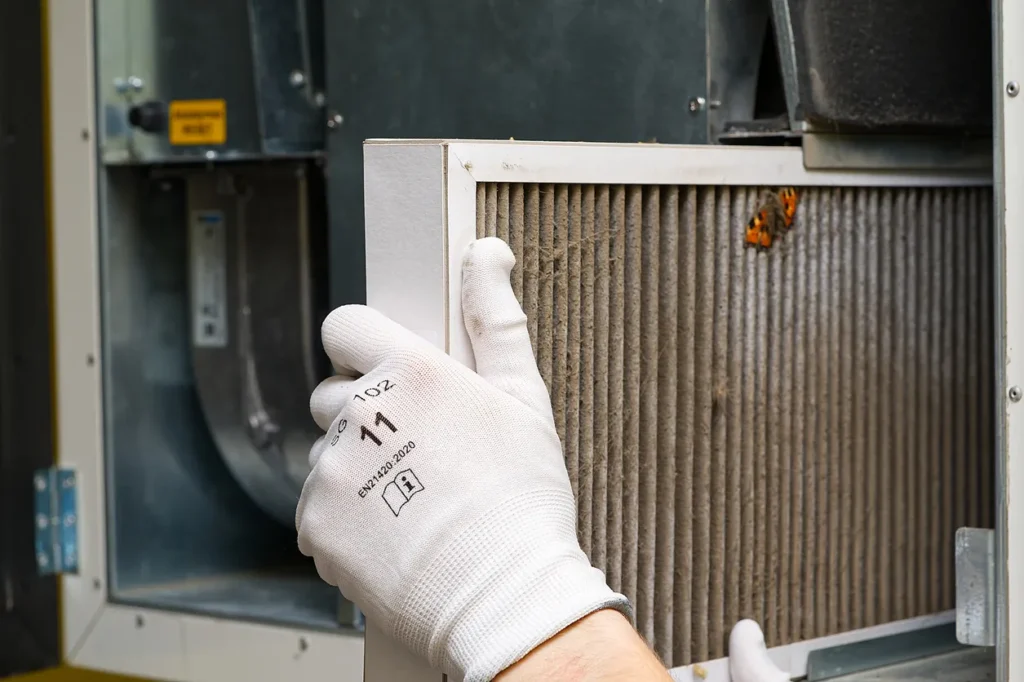
Dirty air filters and restricted airflow reduce heat transfer and force the furnace to run longer, which lowers efficiency and can trigger short cycling; diagnosing and correcting airflow restores comfort and reduces wear. Locate the filter in the return duct or blower compartment, turn the furnace power off, slide out the filter, and inspect for dust accumulation; if the filter appears gray or clogged, replace it with a correctly sized filter rated within recommended MERV ranges for residential systems. While the filter is out, check return grilles for obstruction and confirm supply vents are open to balance airflow. Persistent weak airflow after filter replacement points to duct leaks, a failing blower motor, or closed dampers—conditions that require professional inspection and repair.
How to Reset a Tripped Circuit Breaker and Inspect the Pilot Light Safely?
Resetting a tripped breaker and checking a pilot light are common, low-risk steps that can restore operation but must be done with attention to gas and electrical safety to avoid hazards.
To reset a breaker, turn the furnace switch off, move to the service panel, locate the tripped breaker (often midway between positions), switch it fully off and then on, and return to restart the furnace; if it trips again immediately, do not reset repeatedly—this indicates an electrical fault. For older pilot-lit furnaces, verify the pilot flame is steady and blue; a weak, yellow flame suggests combustion problems or a need for professional cleaning. If you smell gas, evacuate, ventilate, and call emergency services rather than attempting DIY relighting.
When Should Elmont Homeowners Call a Professional for Furnace Repair?
When a furnace exhibits high-risk symptoms—such as a persistent gas odor, yellow or irregular flame, loud mechanical noises, or repeated short cycling—call a professional promptly because these signs can indicate safety risks or imminent failure. Professionals have diagnostic tools and training to test for carbon monoxide, inspect heat exchangers for cracks, and safely service fuel and combustion systems; these inspections protect household safety and system longevity. Expect a professional diagnostic to include visual inspection, combustion analysis, electrical testing, and airflow measurement to identify root causes and recommended repairs. Understanding when to escalate to professional service helps prevent unsafe conditions and reduces the chance of costly emergency replacements.
Warning signs that require immediate professional attention:
- Gas odor or leak: Evacuate and call emergency services; do not operate the furnace.
- Carbon monoxide alarm activation: Evacuate and seek immediate professional and emergency assistance.
- Yellow or flickering flame: Indicates combustion problems that need inspection.
- Loud bangs, clanks, or persistent short cycling: Suggests mechanical failure or heat exchanger issues.
- Electrical burning smell or repeated breaker trips: Points to electrical faults requiring qualified repair.
These warning signs should prompt shutting down the system where safe and contacting a qualified technician.
Homeowners who contact Green Energy Heating and Air Conditioning can expect a focused, safety-first diagnostic and prompt response from local technicians; their NATE-certified staff perform comprehensive testing and explain repair options so you can make informed decisions before authorizing work.
What Warning Signs Indicate the Need for Expert Furnace Repair in Elmont?
Certain symptoms indicate immediate risk or complex failures that require expert intervention rather than DIY fixes, and recognizing these signs avoids escalating danger. A strong gas smell, activation of carbon monoxide detectors, or a visibly deteriorated heat exchanger are emergency-level issues that require evacuation and rapid professional response. Other signals—such as frequent, unexplained short cycling, loud mechanical impacts (which can indicate a cracked heat exchanger or failing blower), or electrical burning odors—also mandate professional diagnostics. If you observe these conditions, shut off the furnace if safe to do so, open windows, and arrange for certified technicians to inspect the system promptly. Immediate action on these symptoms preserves safety and prevents more extensive damage.
How Do NATE-Certified Technicians Ensure Reliable Furnace Repairs?
NATE-certified technicians demonstrate tested knowledge across furnace diagnostics, safety, and repair practices, which improves diagnostic accuracy and repair outcomes for homeowners. Certified technicians follow methodical workflows: they begin with a system history and symptom review, then perform electrical checks, combustion analysis, airflow measurements, and component testing to isolate the root cause rather than replacing parts by guesswork. This diagnostic-first approach reduces unnecessary parts costs and returns the system to reliable operation with verified safety checks. Using NATE-certified professionals increases the likelihood that repairs address underlying issues and that follow-up problems are minimized, delivering confidence in both safety and long-term system performance.
What Are the Benefits of Regular Furnace Maintenance for Elmont Homes?
Regular furnace maintenance enhances safety, efficiency, and longevity by preventing small issues from becoming major failures and ensuring combustion systems operate correctly in Elmont’s seasonal climate. A professional annual tune-up cleans burners, inspects the heat exchanger, tests safety controls, lubricates moving parts, and verifies airflow—actions that restore proper combustion and heat transfer. Routine maintenance reduces energy consumption, lowers the risk of emergency breakdowns, and extends equipment life by identifying worn parts before failure occurs. Below is a comparison table showing maintenance actions, expected benefits, and recommended frequency to guide homeowner planning.
| Maintenance Action | Performance Benefit | Recommended Frequency |
|---|---|---|
| Filter replacement/inspection | Restores airflow and improves heat transfer | Every 1–3 months (home-dependent) |
| Combustion inspection & cleaning | Improves fuel efficiency and safety | Annually before heating season |
| Blower and motor service | Ensures airflow and reduces wear | Annually or as needed |
| Heat exchanger inspection | Detects cracks and prevents CO risk | Annually for safety assurance |
This table connects maintenance tasks to measurable benefits and suggested cadence so homeowners can prioritize services that protect safety and efficiency.
How Does Annual Furnace Tune-Up Improve Heating System Performance?
An annual tune-up improves system performance by addressing combustion efficiency, airflow balance, and mechanical wear—each element directly affecting heat output and operating cost. During a tune-up, technicians clean burners and heat exchanger surfaces to restore efficient combustion, test the flame pattern and gas pressure, and inspect seals and venting to ensure safe exhaust. They also measure airflow and adjust blower components to deliver even heating, and perform electrical and control checks to prevent faults. These combined tasks reduce energy use, prevent premature failures, and provide a documented baseline for future troubleshooting, which keeps the system reliable and predictable through the Elmont heating season.
What Does a Comprehensive Furnace Maintenance Checklist Include?
A comprehensive maintenance checklist outlines inspections and actions a professional will perform to ensure safe, efficient furnace operation and gives homeowners a clear expectation for service visits. Typical checklist items include filter inspection and replacement, burner and ignition cleaning, heat exchanger visual inspection, venting and flue evaluation, blower and motor lubrication, electrical connection tightening, and testing of safety controls and thermostat function. Technicians should document findings, recommend parts replacement where necessary, and provide performance verification after service, such as measured temperature rise and combustion readings. Preparing the home—clearing access to the unit and noting recurring symptoms—helps technicians complete the checklist efficiently and deliver reliable results.
Why Choose Green Energy Heating and Air Conditioning for Furnace Repair in Elmont?
For Elmont homeowners seeking local furnace repair, Green Energy Heating and Air Conditioning positions itself around certified technicians, comprehensive diagnostics, and customer-focused service that prioritizes safety and long-term comfort. Their stated unique value propositions include deploying NATE-certified technicians who follow diagnostic-first workflows to avoid unnecessary part swaps, offering comprehensive diagnostics and repairs that address root causes, and a customer-centric approach aimed at saving money and improving home comfort. They also reference a Daikin Comfort Promise that provides a no-cost follow-up period for qualifying issues—adding an extra layer of assurance after service. Below are concise trust points and expected homeowner benefits when choosing a local provider.
Key reasons to consider Green Energy Heating and Air Conditioning:
- NATE-certified technicians ensure tested diagnostic skills and safe repair practices.
- Comprehensive diagnostics focus on root-cause repair rather than part-by-part replacement.
- Customer-centric approach emphasizes transparent estimates and options that balance cost and longevity.
- Daikin Comfort Promise offers a follow-up commitment for qualifying services to resolve issues at no cost.
Conclusion
Elmont homeowners can effectively troubleshoot common furnace issues by understanding key symptoms and performing safe DIY checks. This knowledge not only empowers them to address minor problems but also reinforces the importance of professional diagnostics for complex failures. For optimal performance and safety, consider scheduling regular maintenance with certified technicians. Explore our services today to ensure your home remains warm and comfortable throughout the heating season.